How To Get Back to Wearing Orthodontic Retainers Again
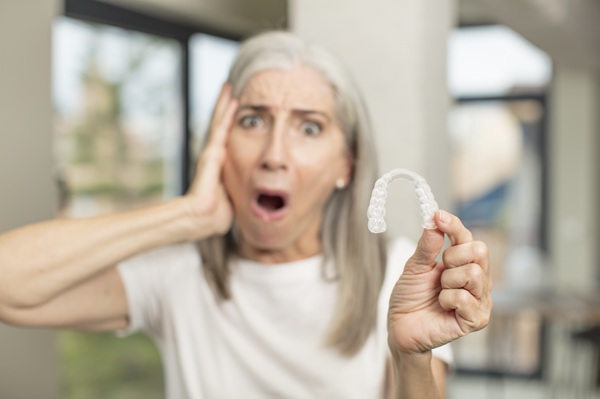
Restarting orthodontic retainers after a break can feel daunting, especially when the appliance feels tighter than expected. Teeth can shift when retainer wear becomes inconsistent, but the next step depends on the extent of movement. A careful fit check and guidance from an orthodontist can help protect the teeth, gums, and retainer while preventing an uncomfortable restart.
Start with a gentle fit check of the orthodontic retainer
The first step involves placing the orthodontic retainer over the teeth without biting down or forcing it into position. Mild pressure may occur when the retainer still fits, but the teeth have shifted slightly. However, the appliance should not cause sharp pain, cut the gums, or stop far above the teeth. If it does not seat fully with gentle finger pressure, an orthodontist should evaluate the fit before regular wear resumes.
Clean and inspect the retainer
If the orthodontist determines the patient can use the same orthodontic retainer as before, they should ensure it is properly cleaned. The cleansing process is simple, requiring only lukewarm water and mild soap. Note that clear orthodontic retainers may warp under hot water, while harsh cleaners can scratch or weaken some materials. Patients should also inspect the appliance for cracks, rough edges, cloudy buildup, or changes in shape. Damage can affect comfort and prevent the retainer from holding the teeth correctly, but a clean, intact appliance makes daily wear easier to maintain.
Follow the orthodontist’s wear plan
When orthodontic retainers still fit properly, an orthodontist may recommend returning to nightly use or wearing them for longer periods at first. The appropriate schedule depends on the appliance, the length of the break, and the amount of tooth movement. Rather than creating a schedule at home, patients should follow the instructions from the practice. Consistent use, in turn, helps the retainer maintain alignment without placing unnecessary pressure on the teeth.
Know what discomfort means
A snug feeling differs from pain. Light pressure or temporary tenderness can occur as the teeth adjust to the retainer again, but severe soreness that does not dissipate signals a need for professional guidance. Patients should also contact the orthodontist if the retainer causes bleeding, gum irritation, headaches, or changes in bite. In this case, the orthodontist will likely recommend removing the appliance and arranging for the days leading up to the evaluation to help protect against further irritation if something does not feel right.
Prepare for a possible replacement
Sometimes, old orthodontic retainers no longer fit because the teeth move beyond the shape of the original appliance. In these cases, the orthodontist will likely recommend a new digital scan or impression to create a replacement that matches the current alignment. However, if shifting becomes more noticeable, limited orthodontic treatment may help move the teeth before a new retainer begins.
Schedule an evaluation
Once wear resumes, simple habits make orthodontic retainers easier to use consistently. While the above tips aim to help with the initial adjustment period of returning to wearing retainers, you still need to determine if your current retainers are the right fit, especially if it has been a while since you last wore them. Call our office for more information or to schedule an orthodontic retainer evaluation.
Request an appointment here: https://www.orthoisfun.com or call Henry Orthodontics at (910) 685-7395 for an appointment in our Pinehurst office.
Check out what others are saying about our services on Yelp: Orthodontic Retainers in Pinehurst, NC.
Related Posts
Space maintainers are often thought to only be needed for children; however, that is actually not true. They are provided by orthodontists who treat both children and adult patients. Keep reading to find out when space maintainers may be recommended to help patients ensure future good oral health. Below is a quick overview of when space…
Searching for an orthodontist near me can lead to a seamless transition to a healthier, more functional, and well-aligned smile. Modern orthodontic care offers much more than traditional metal brackets, so a localized search helps patients discover the latest in digital imaging and discreet treatment options. The best choice is to select a practice that…
Many teens want straighter teeth but feel nervous about the appearance of traditional metal braces. The good news is that clear braces for teens can straighten the teeth more discreetly. This treatment blends more naturally with the teeth while still giving the orthodontist precise control over tooth movement. Learning when someone is a good candidate…
Teeth straightening is a popular, in-demand service, especially among older teenagers. An orthodontist offers several options to help these patients achieve a more picture-perfect smile without compromising their oral health. In fact, straighter teeth can support oral health by being easier to care for. Moreover, by addressing smile alignment now, teens can enjoy a lifetime…